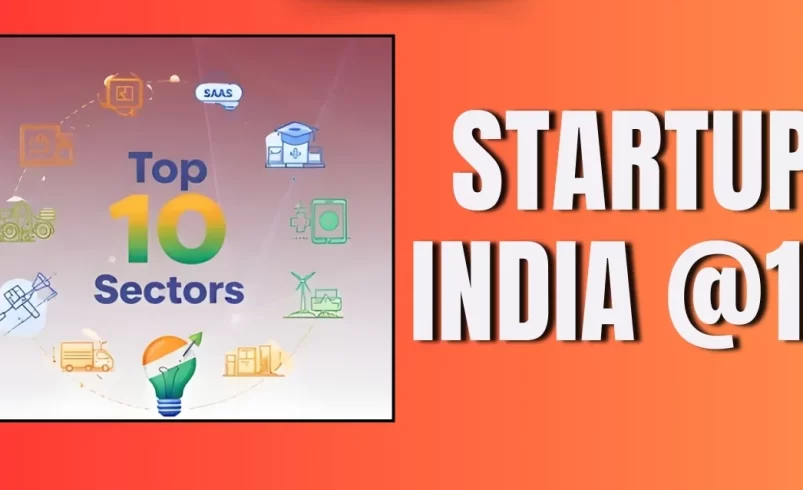
As India celebrates ten years of the Startup India initiative — marked on Nationwide Startup Day, January 16, 2026 — the programme’s influence on the nation’s entrepreneurial ecosystem has been substantial. Launched in 2016 by the Authorities of India with the goal of fostering innovation, job creation and a supportive enterprise surroundings, Startup India has grown from a coverage idea to a full-fledged nationwide innovation motion.
Over the previous decade, India’s startup ecosystem has expanded quickly. From fewer than 500 recognised startups in 2014, the quantity has surged to over 200,000 DPIIT-recognised startups, making the nation one of many largest startup hubs globally. The rising acceptance of risk-taking and entrepreneurship has helped shift mindsets from job-seeking to job-creating throughout socio-economic teams.
A key driver of this progress has been a variety of focused reforms and help mechanisms. These embody tax exemptions, simplified compliance, seed funding and mentorship schemes, in addition to the Fund of Funds for Startups, which has channelled important capital into early-stage ventures. The federal government has additionally backed strategic priorities corresponding to indigenous AI, deep tech and manufacturing, positioning India for future management in high-growth sectors.
Inclusivity has been one other hallmark of the initiative — with a notable share of women-led startups and a rising variety of ventures rising from Tier II and Tier III cities and rural areas. Regulatory reforms just like the Jan Vishwas Act have eased enterprise processes, whereas innovation networks involving incubators, hackathons and industry-academia partnerships have strengthened the ecosystem’s foundations.
Regardless of these achievements, challenges stay: sustaining funding flows, bridging deep tech expertise gaps, increasing R&D infrastructure and making certain cybersecurity are key areas requiring continued focus. With the ecosystem now coming into a part of structural progress and deeper financial integration, startups are seen as central to India’s ambition of turning into a $7.3 trillion financial system by 2030 and advancing towards the imaginative and prescient of Viksit Bharat 2047.







/indianstartupnews/media/media_files/2025/10/23/ondc-appoints-rohit-lohia-as-chief-business-officer-2025-10-23-15-54-20.png?w=1280&resize=1280,960&ssl=1 "Indian Govt-Backed ONDC Appoints Rohit Lohia as Chief Business Officer")


